


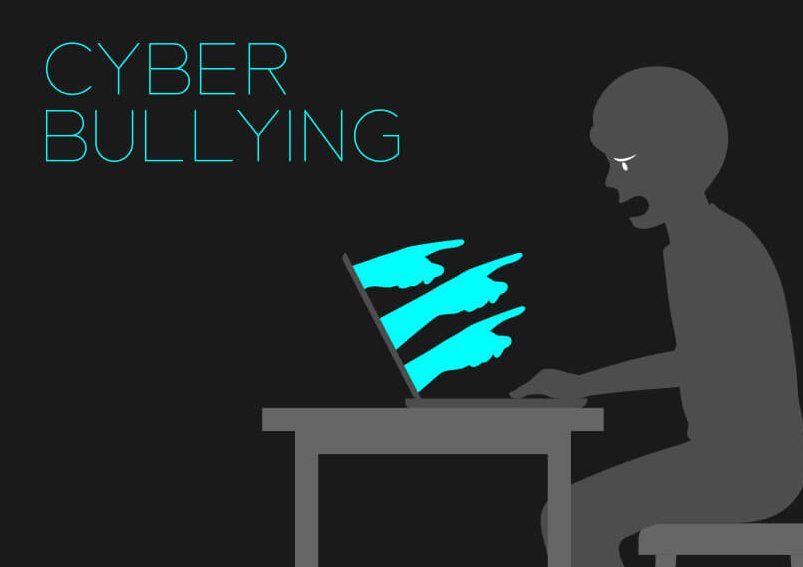
Cyberbullying is bullying that takes place over digital devices. It includes sending, posting, or sharing negative, harmful or false content about someone else, causing embarrassment or humiliation and, in fact, some cyberbullying crosses the line into unlawful or criminal behaviour.

Every age group is vulnerable to cyberbullying, but teenagers are the most common victims.
It can occur through SMS, apps, or online in social media such as in Instagram, Facebook or Twitter, or gaming where people can view, participate in, or share content.

DANGERS OF CYBERBULLYING
Cyberbullying can often be more dangerous than traditional forms of bullying. It can take place anywhere, anytime, and the bully doesn’t need to be face-to-face with their victim. This means that attacks are often more vicious and cruel. The victim might not even know who the bully is, or why is being targeted. This is the danger of anonymity on the internet. Cyberbullying, just like all types of bullying, can be incredibly damaging to a person’s self-esteem, social skills and confidence.
The behavioural signs of someone that is a victim of a cyberbullying attack are:
- Low self-esteem.
- Spending large amount of time alone and withdrawing from family, friends and social situations.
- Refusing to go to public places, like school, or creating excuses to stay at home.
- Depression
- Keeping mobiles and laptops hidden from parents and family members.
- Weight loss or appearance changes.
- New marks on the skin which might suggest self-harming behaviours.
In serious situations, when cyberbullying goes unnoticed and untreated, victims might attempt suicide. Therefore, it’s critical to know how to identify cyberbullying so it doesn’t go unnoticed.

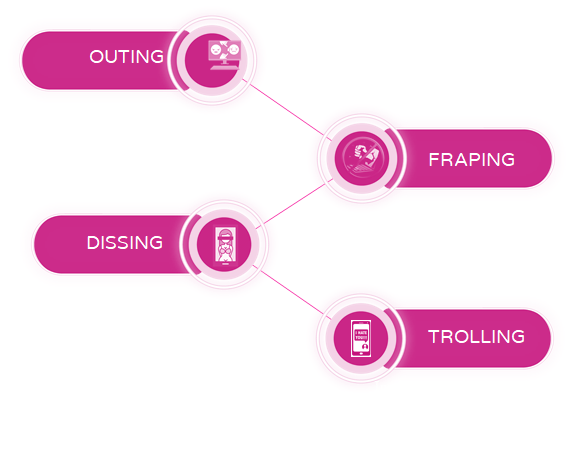
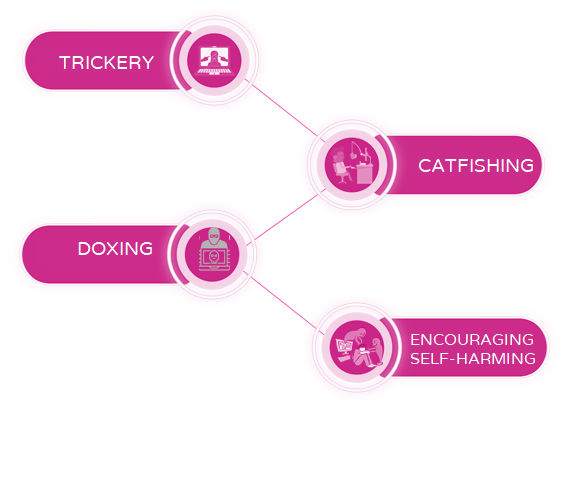
Click in TYPES OF BULLYING to know more about each one
CURIOSITIES
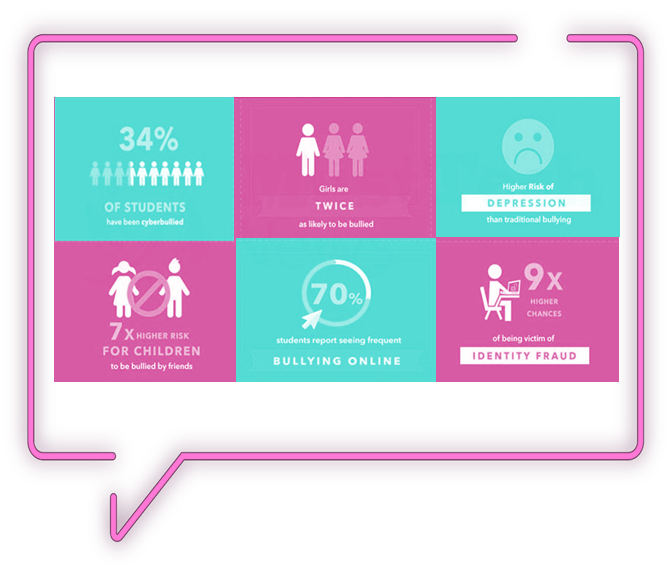
CYBERBULLYING AROUND THE WORLD
Cyberbullying isn’t a problem solely in the United States. It’s actually a global issue. The top 3 countries where cyberbullying is the most prevalence are India, Brazil, and the United States, but this is a common occurrence everywhere.
Cyberbullying statistics among 28 surveyed countries reveal general dissatisfaction with how bullying is tackled, even in places with active anti-bullying laws.

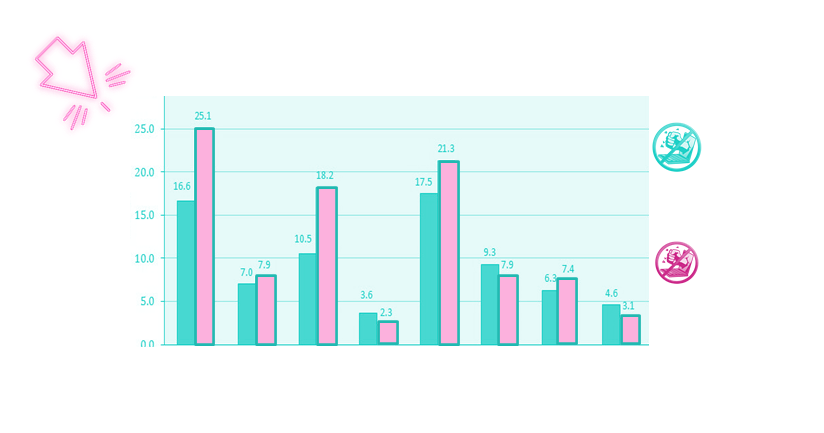
CYBERBULLYING BY GENDER
According to several studies, women are more likely than men to post gossip on the internet to hurt other people they might know.
When talking to others, they tend to gossip about different situations that are going about in their lives. So, females would rather hid behind the screens of the computer and spread false or true rumors about someone they might dislike than being assertive in person. Normally, they participate in bullying that involves emotional and psychological abuse, which involves gossiping and spreading of information (whether true or untrue).
On the other hand, about one in four of the male students have been cyber-bullied and over half of the students reported that they knew someone being cyber bullied. However, they usually don’t report it.
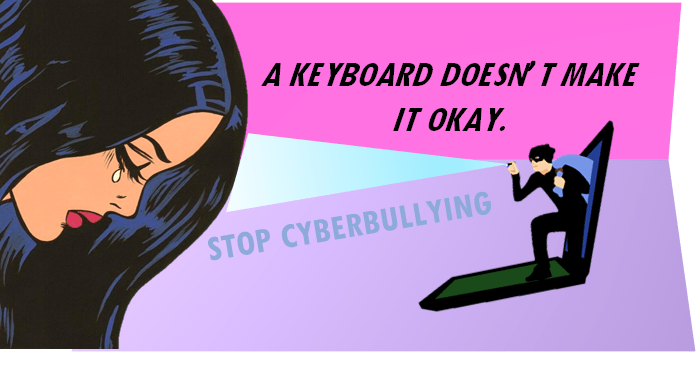
POSTER DONE BY ME
 The Portuguese